What the Date on Your Beer Can Means (And Why It Matters)
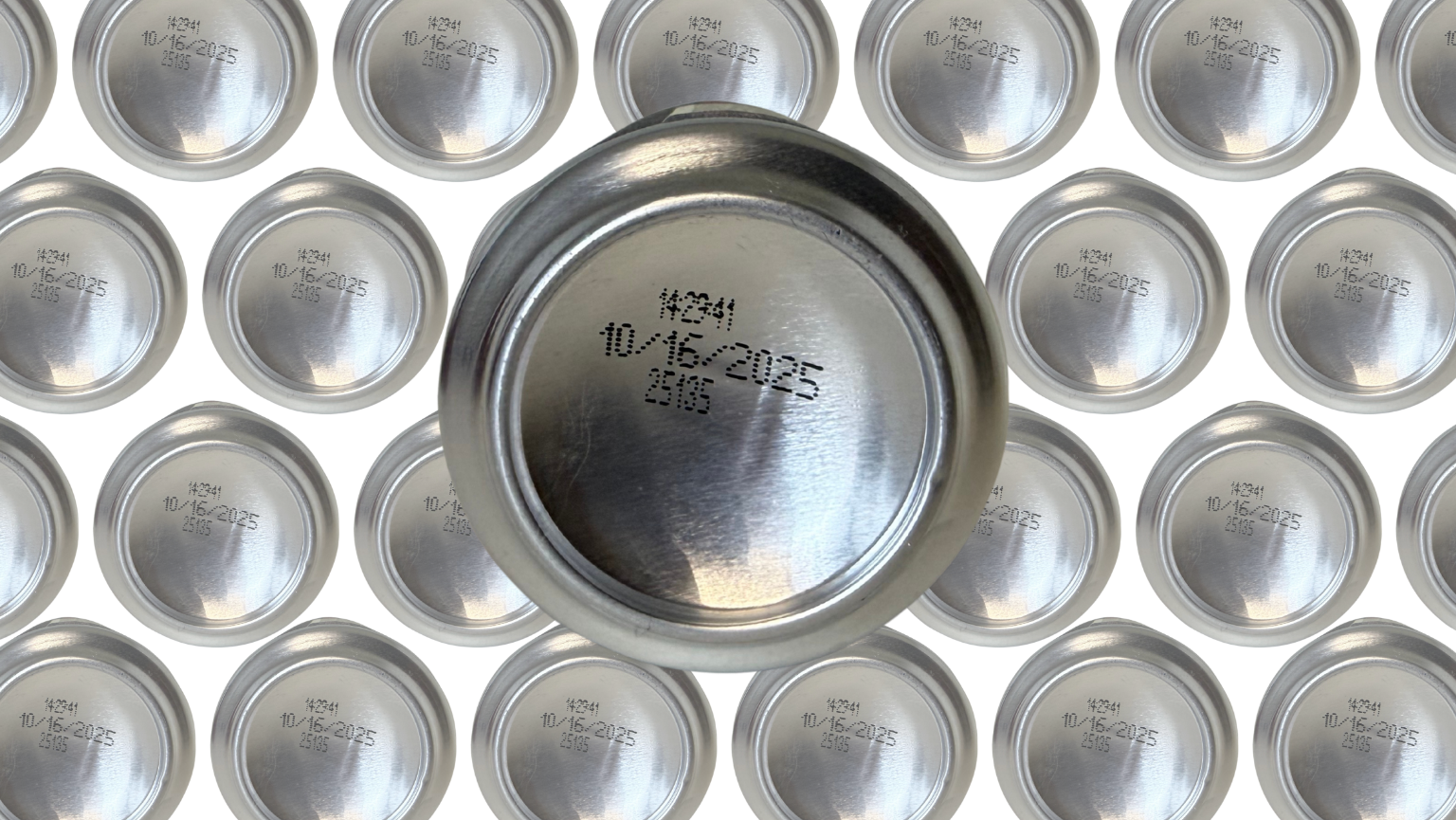
At Baxter, we talk a lot about doing things the right way. That means sourcing quality ingredients, brewing with intention, and making sure the beer you crack open tastes exactly the way we meant it to. But there’s one small detail we don’t talk about enough: the string of numbers and letters stamped on the bottom of every can we make.
That little code is doing more work than you might think.
Fresh beer is better beer. Full stop.
Craft beer isn’t shelf-stable forever, and hop-forward styles like our Stowaway IPA and Coastal Haze are especially sensitive to time, temperature, and storage conditions. Hop aroma fades. Delicate flavor compounds break down. The bright, citrusy punch you love on day one starts to soften, and not in a good way. Temperature swings, oxygen exposure, and light all speed that process up. We can brew and package everything perfectly and still lose the plot if the beer sits too long before it gets to you.
That’s why the born-on date, batch number, and timestamp on every Baxter can exist. They’re not just information. They’re the foundation of how we manage freshness at every step.
From our warehouse to your cooler.
Every can that leaves our brewery in Lewiston moves on a first-in, first-out basis. That code tells our team and our distribution partners exactly which beer needs to move first, so the freshest product is always the one making it onto shelves. It also means that if we ever need to trace something back, whether it’s a raw ingredient, a brewing condition, or a packaging variable, we can. Every batch is fully documented. Every code unlocks those records.
It’s not the flashiest part of what we do. But it’s exactly the kind of basics we think are worth doing brilliantly.
So the next time you flip a can over, you’ll know: that code means we’re paying attention.
